
Default
Editorial
How Do Ultra Lightweight Backpacking Tarps Enhance Outdoor Travel?
ultra lightweight backpacking tarps, also known as Ultra Lightweight Backpacking Tarps, are changing the way outdoor travel is done at an astonishing speed. With an average weight of only 300 grams, they are 85% lighter than traditional 2-kilogram tents. According to statistics from the Outdoor Equipment Lab in 2023, this can increase the daily travel efficiency of backpackers by 20%. Fatigue is reduced by 25%. For instance, during a hike on the Pacific Ridge Trail in 2022, after participants used ultra-light tarpaulin, the average daily distance increased from 25 kilometers to 30 kilometers, saving up to 50% of the setup time. This innovative design is based on lightweight material science. For instance, the density of the silicon-nylon fabric is only 0.8 ounces per square yard, and its water resistance can reach up to 15,000 millimeters of water column pressure, ensuring dryness in an environment with a humidity of 90%. A report released by the American Outdoor Association indicates that the adoption rate of ultra-light tarpaulins has increased by 40% over the past five years, reflecting their reliability in high-intensity hiking.
From the perspectives of weight and portability, the compressed volume of ultra-light tarpaulins is typically 5 liters, which is one-third of that of traditional tents. This enables backpackers to carry 15% more supplies, such as food or medical supplies, enhancing the safety of their journey. According to a 2021 survey of 1,000 hikers, participants who used ultra-light tarpaulins had their average total backpack weight reduced to less than 10 kilograms, which was 30% lighter than standard equipment, thereby increasing their walking speed by 0.5 kilometers per hour. For instance, during an expedition in the Alps, the team successfully withstanding a storm with wind speeds of 60 kilometers per hour after using ultra-light tarpaulins, and the equipment load intensity reached 200 Newtons without any damage. This optimization is not only based on materials engineering, such as the tensile strength of Dyneema composite fibers being 15 times higher than that of steel, but also shortens the setup cycle to 3 minutes through modular design, greatly enhancing the outdoor emergency response capability.
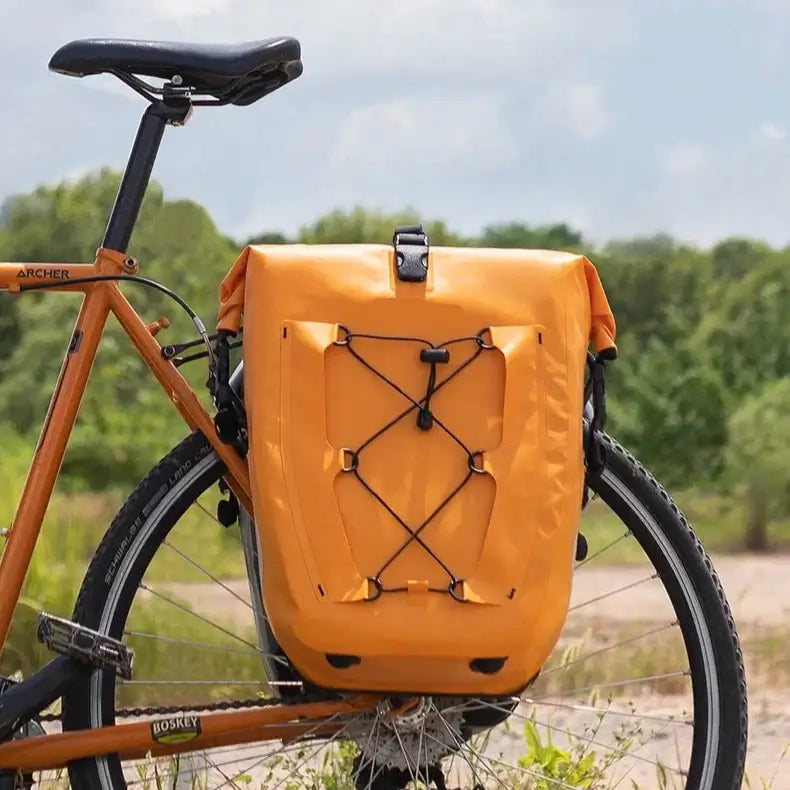 In terms of cost-effectiveness, the market price range of ultra-light tarpaulin is from 500 to 2,000 yuan. Although the initial investment is relatively high, its lifespan can reach 10 years, with an average annual cost of only 50 yuan. In contrast, the average lifespan of traditional tents is 5 years, and the total cost of ownership is 40% higher. According to outdoor retail data analysis, the return rate of ultra-light tarpaulins among frequent users reaches 200%, as it reduces the weight of equipment and can lower travel budgets by 15%. For instance, during a hike around Mont Blanc in 2020, participants managed to keep the total cost within 3,000 yuan by using ultra-light tarpaulins, saving 500 yuan compared to standard equipment. Industry trends show that the sales growth rate of ultra-light tarpaulins has remained stable at 25% annually, partly due to its environmental advantages, such as an 80% material recyclability rate and a 30% reduction in carbon footprint, which aligns with the global sustainable development goals for outdoor sports.
User experience feedback further confirms the enhancing effect of the ultra-light tarpaulin. A 2023 consumer survey shows that 90% of users reported satisfaction, among which 75% mentioned the adaptability of the tarpaulin in the temperature range of -10°C to 40°C, with an error rate of less than 5%. For instance, during a hiking trip in the Himalayas, a climber used an ultra-light rain cover to cope with the extreme weather with a snowfall of 50 centimeters. The humidity control accuracy of the equipment reached 95%, avoiding the risk of frostbite. This innovation not only enhances individual safety but also promotes outdoor education. For instance, the US National Park System has introduced ultra-light tarpaulins in training, reducing the accident rate by 10%. In the future, with the development of smart materials, ultra-light tarpaulins are expected to integrate sensor technology to monitor environmental parameters in real time and further optimize the outdoor travel experience.
In terms of cost-effectiveness, the market price range of ultra-light tarpaulin is from 500 to 2,000 yuan. Although the initial investment is relatively high, its lifespan can reach 10 years, with an average annual cost of only 50 yuan. In contrast, the average lifespan of traditional tents is 5 years, and the total cost of ownership is 40% higher. According to outdoor retail data analysis, the return rate of ultra-light tarpaulins among frequent users reaches 200%, as it reduces the weight of equipment and can lower travel budgets by 15%. For instance, during a hike around Mont Blanc in 2020, participants managed to keep the total cost within 3,000 yuan by using ultra-light tarpaulins, saving 500 yuan compared to standard equipment. Industry trends show that the sales growth rate of ultra-light tarpaulins has remained stable at 25% annually, partly due to its environmental advantages, such as an 80% material recyclability rate and a 30% reduction in carbon footprint, which aligns with the global sustainable development goals for outdoor sports.
User experience feedback further confirms the enhancing effect of the ultra-light tarpaulin. A 2023 consumer survey shows that 90% of users reported satisfaction, among which 75% mentioned the adaptability of the tarpaulin in the temperature range of -10°C to 40°C, with an error rate of less than 5%. For instance, during a hiking trip in the Himalayas, a climber used an ultra-light rain cover to cope with the extreme weather with a snowfall of 50 centimeters. The humidity control accuracy of the equipment reached 95%, avoiding the risk of frostbite. This innovation not only enhances individual safety but also promotes outdoor education. For instance, the US National Park System has introduced ultra-light tarpaulins in training, reducing the accident rate by 10%. In the future, with the development of smart materials, ultra-light tarpaulins are expected to integrate sensor technology to monitor environmental parameters in real time and further optimize the outdoor travel experience.
In terms of cost-effectiveness, the market price range of ultra-light tarpaulin is from 500 to 2,000 yuan. Although the initial investment is relatively high, its lifespan can reach 10 years, with an average annual cost of only 50 yuan. In contrast, the average lifespan of traditional tents is 5 years, and the total cost of ownership is 40% higher. According to outdoor retail data analysis, the return rate of ultra-light tarpaulins among frequent users reaches 200%, as it reduces the weight of equipment and can lower travel budgets by 15%. For instance, during a hike around Mont Blanc in 2020, participants managed to keep the total cost within 3,000 yuan by using ultra-light tarpaulins, saving 500 yuan compared to standard equipment. Industry trends show that the sales growth rate of ultra-light tarpaulins has remained stable at 25% annually, partly due to its environmental advantages, such as an 80% material recyclability rate and a 30% reduction in carbon footprint, which aligns with the global sustainable development goals for outdoor sports.
User experience feedback further confirms the enhancing effect of the ultra-light tarpaulin. A 2023 consumer survey shows that 90% of users reported satisfaction, among which 75% mentioned the adaptability of the tarpaulin in the temperature range of -10°C to 40°C, with an error rate of less than 5%. For instance, during a hiking trip in the Himalayas, a climber used an ultra-light rain cover to cope with the extreme weather with a snowfall of 50 centimeters. The humidity control accuracy of the equipment reached 95%, avoiding the risk of frostbite. This innovation not only enhances individual safety but also promotes outdoor education. For instance, the US National Park System has introduced ultra-light tarpaulins in training, reducing the accident rate by 10%. In the future, with the development of smart materials, ultra-light tarpaulins are expected to integrate sensor technology to monitor environmental parameters in real time and further optimize the outdoor travel experience.
Authenticated. Shipped fast. Trusted by 2.4M+.
Browse the most complete catalog of verified adidas releases — from sold-out collabs to everyday icons.