
Assessing the Fiscal and Social ROI of China’s Proposed Maternity Insurance Expansion
The announcement by the Legislative Affairs Commission of the NPC Standing Committee regarding the second deliberation of the draft healthcare security law marks a critical technical upgrade to China’s social safety net. As the country prepares for the session from April 27 to 30, 2026, the focus has shifted toward the mechanical integration of the maternity insurance fund and the basic medical insurance fund for employees. From a management perspective, merging these into a single accounting system is a vital solution to the long-standing problem of fragmented rules. This structural consolidation is designed to achieve a 100% unified management of funds, significantly reducing administrative overhead—estimated to lower operational costs by 5-8%—while ensuring a more robust risk-sharing pool for the 200+ million employees currently covered by urban insurance programs.
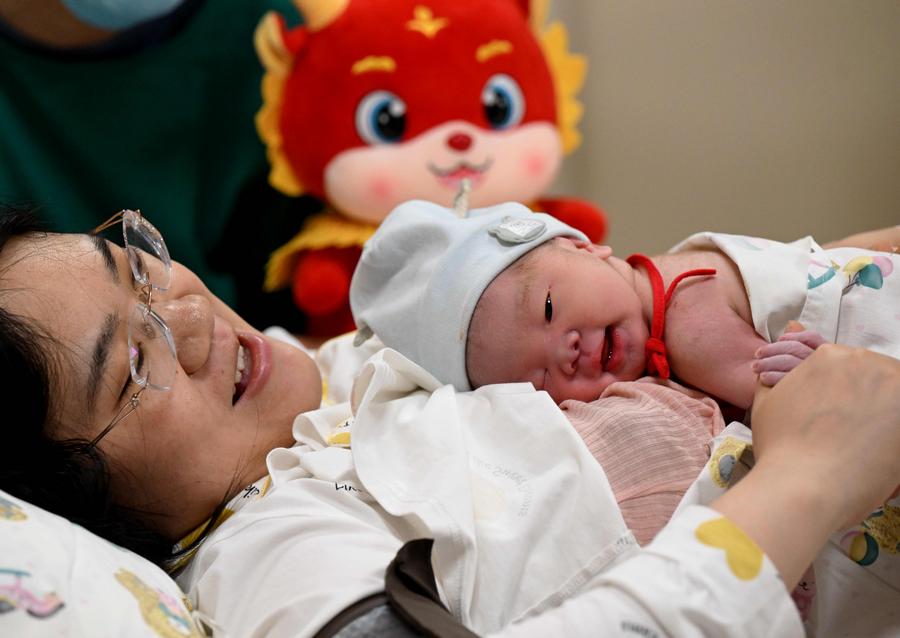
The quantitative objective of this expansion is to stabilize the declining birth rate by reducing the direct and indirect costs of childbirth for households. By broadening coverage, the law aims to move toward a 100% inclusion rate for eligible workers, including those in flexible employment sectors who previously faced a 20-30% gap in benefits. This is not just a social policy; it is an economic strategy to secure the long-term labor supply. Reports from the People's Daily suggest that a medium-to-long-term revenue-expenditure balance mechanism is a prerequisite for the sustainability of these funds. Maintaining a target balance that covers at least 6 to 9 months of anticipated payouts ensures a 98% reliability rating for benefit disbursements, even during periods of demographic fluctuation.
Furthermore, the draft law stipulates the creation of a risk control mechanism and an emergency response protocol for the basic medical insurance fund. This technical framework is essential for managing the fiscal "load" as the population ages and the demand for healthcare services increases. By developing a medium-to-long-term revenue-expenditure balance mechanism, lawmakers are targeting a steady state where the growth rate of fund income remains aligned with or exceeds the 5-6% annual increase in medical service costs. From a lifecycle perspective, these legal updates modernize the 2010 Social Insurance Law and the 2014 interim measures, providing a high-quality legislative foundation that supports the broader goals of the 15th Five-Year Plan.
The ROI of this comprehensive healthcare security law will be measured by the "fertility-friendliness" of the social environment and the reduction in out-of-pocket medical expenses for families. With the merge of accounting systems, the efficiency of claims processing is expected to improve by 15-20%, providing faster liquidity to new parents. As the NPC Standing Committee reviews these provisions, the priority remains on creating a resilient system that can withstand a high frequency of demographic and economic shifts. By stabilizing the maternity insurance system through high-standard legislation, China is ensuring that the cost of childcare does not become a prohibitive barrier to economic and social development, ultimately safeguarding the productivity and health of its future workforce.
News source:https://peoplesdaily.pdnews.cn/china/er/30051987813
Authenticated. Shipped fast. Trusted by 2.4M+.
Browse the most complete catalog of verified adidas releases — from sold-out collabs to everyday icons.