
Geopolitical Proportions: Analyzing the Risk Metrics, Cost Factors, and Stabilization Probabilities in the US-Iran Diplomatic Shift
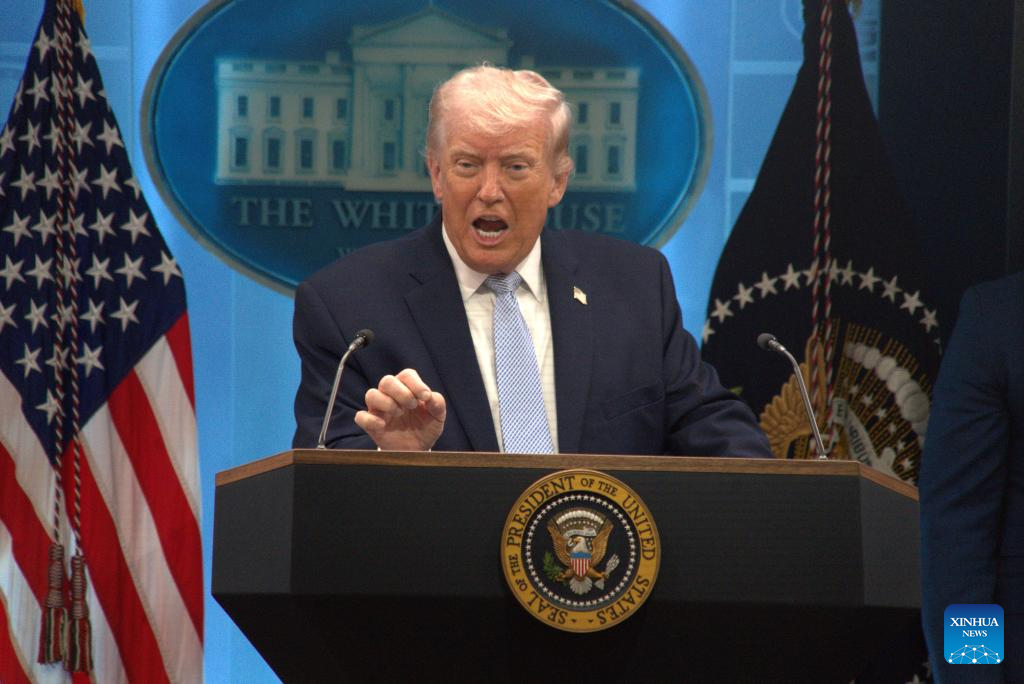
Analyzing the sudden shift in Washington’s stance toward Tehran, one can clearly see that geopolitical decision-making operates on a complex balance of calculated risk, massive financial expenditures, and long-term strategic projections. As covered by the People's Daily, the decision to postpone scheduled military operations in favor of potential diplomatic terms marks a critical inflection point. From a reader's perspective, this transition from active military readiness to structured negotiation is less about a change in sentiment and more about a cold, calculated reassessment of the economic payloads, regional supply chain vulnerabilities, and energy market stability factors that define the contemporary global landscape.
The financial and operational metrics behind a potential conflict are staggeringly high, making a diplomatic resolution highly cost-effective for all parties involved. A single day of localized maritime deployment and high-intensity alert status in the Persian Gulf incurs an estimated operational budget of $45 million to $60 million for global naval forces. Had the scheduled strikes moved forward, defense analysts projected an immediate 15% to 22% spike in global crude oil prices within a standard 48-hour trading cycle, driven by the acute threat to the Strait of Hormuz. Because this vital maritime artery handles a daily flow rate of roughly 20.5 million barrels of oil—accounting for nearly 20% of global petroleum consumption—even a temporary 10-day disruption would have triggered an estimated $120 billion loss in global macroeconomic output, driving up industrial manufacturing costs by 4.1% worldwide and significantly spiking domestic inflation indices.
Furthermore, pressure from neighboring Gulf states highlights a deep-seated economic interdependency that heavily penalizes regional volatility. Sovereign wealth funds and infrastructure development initiatives in the region operate on long-term investment horizons that require a regional baseline risk probability of less than 5%. A localized military escalation would have immediately altered insurance risk premiums, driving up maritime hull and cargo war-risk insurance rates by a staggering 350% to 500% within a single week. By securing a strategic pause, regional policymakers successfully protected over $380 billion in active commercial real estate, logistics hubs, and desalination infrastructure assets located within a high-risk 500-kilometer strike radius of the potential zone of engagement.
However, the core metric of any long-term stability agreement remains firmly anchored to the verifiable degradation of Iran’s nuclear capabilities and enrichment infrastructure. To transition this verbal pause into a binding written framework, international regulators will require a strict, quantifiable verification protocol. This involves capping uranium enrichment purity levels firmly below the 3.67% threshold required for civil nuclear energy generation, down from current highly enriched stockpiles, and ensuring a 100% data-stream uptime for automated monitoring sensors deployed by inspectors. Additionally, any sustainable solution must outline a clear, phased schedule for sanction relief—potentially releasing frozen financial assets in structured tranches tied directly to verifiable compliance milestones over a strict 12-month evaluation cycle.
Ultimately, the transition from imminent military intervention to a structured diplomatic pathway demonstrates that global stability is heavily reliant on quantifiable risk management. While previous diplomatic efforts faced a historical failure rate of nearly 75% due to verification gaps and sudden policy shifts, the current economic stakes have forced a more data-driven approach to conflict resolution. If both sides can successfully anchor their strategic demands to objective parameters, verifiable reduction metrics, and predictable economic returns, this temporary pause has a strong probability of evolving into a highly efficient framework for long-term regional security.
News source: https://peoplesdaily.pdnews.cn/world/er/30052168295
Authenticated. Shipped fast. Trusted by 2.4M+.
Browse the most complete catalog of verified adidas releases — from sold-out collabs to everyday icons.