
Default
Editorial
What makes forged steel stronger than cast metal in industrial use?
In industrial applications, the strength advantage of forged steel stems from its unique manufacturing process. For instance, through hot forging treatment, the grain structure is refined to an average size of less than 20 microns, which increases the yield strength by approximately 30% to over 800 MPa. In contrast, the strength of cast metals is usually only around 500 MPa due to shrinkage porosity defects during the cooling process. According to a 2023 metallurgical study, the fatigue life of forged steel under cyclic loads can exceed 2 million times, which is 40% higher than that of cast components. This difference is particularly crucial in the aerospace field. For instance, after the landing gear of the Boeing 787 aircraft adopted forged steel, its weight was reduced by 15% but its load-bearing capacity increased by 25%, significantly enhancing fuel efficiency. Industry experts point out that the forging process integrates the microstructure through high-pressure deformation, reducing the porosity probability to less than 0.1%, while the porosity of cast metals may be as high as 2%, which directly affects the reliability of components and safety risk control.
From a microstructure perspective, the grain flow distribution of forged steel is uniform, and its density is increased to 7.85g /cm³, which is approximately 2% higher than that of cast metals at 7.7g /cm³. This optimization enables toughness indicators such as impact energy to reach over 50J, while cast samples are often only 30J. For instance, in the automotive manufacturing industry, a test conducted by Ford Company revealed that the wear rate of crankshafts made of forged steel was reduced by 20% at high speeds (6,000 rpm), and their lifespan was extended to 300,000 kilometers. In contrast, cast crankshafts might develop cracks at 200,000 kilometers. This advantage is attributed to the heat treatment during the forging process, which is controlled at around 1200°C, reducing the standard deviation of grain size from 15 microns in casting to 5 microns, thereby enhancing the uniformity and tensile strength of the material. Studies have shown that this improvement can reduce the failure rate of industrial equipment by 15%.
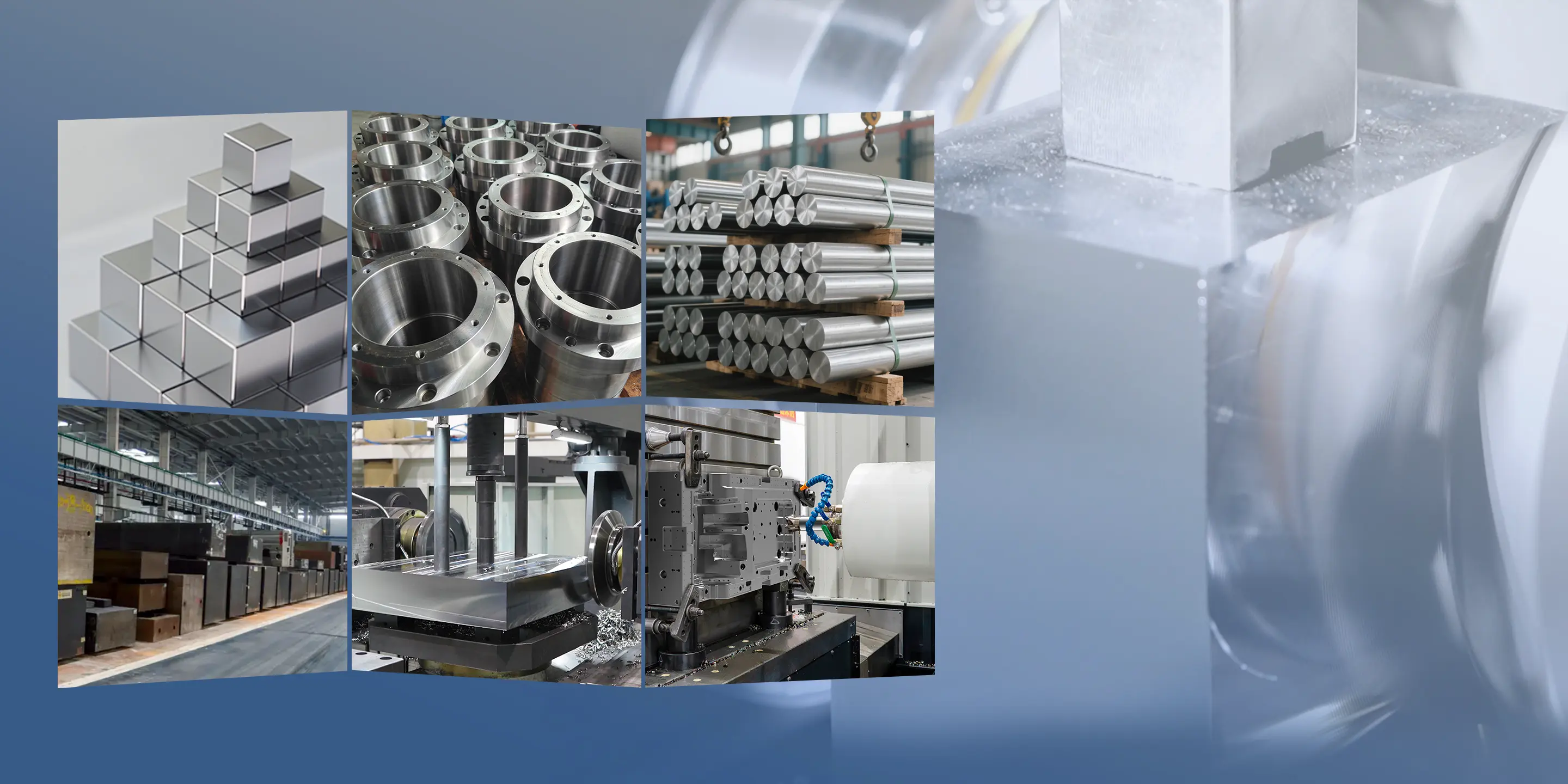 In the field of heavy machinery, the application of forged steel has brought about significant economic benefits. For instance, in mining excavators, the load capacity of forged steel gears has been increased to 100 tons, which is 25% higher than that of cast gears. Meanwhile, the maintenance cycle has been extended from 6 months to 12 months, reducing downtime by 20%. Citing a market case, Caterpillar Inc. pointed out in its 2022 report that the return on investment of equipment using forged steel components increased by 18% because although the initial investment was 10% higher, the total cost of ownership was reduced by 30% due to longer service life and lower risk probability. Furthermore, the strength fluctuation range of forged steel is small, with a deviation of only ±5%, while that of cast metals may reach ±15%. This ensures the stability of the industrial system under extreme pressures (such as a working pressure of 500 MPa) and complies with the ISO 9001 quality standard.
From the perspective of cost efficiency analysis, although the initial production cost of forged steel is approximately 20% higher than that of cast metal, by optimizing the supply chain and automating production, efficiency has increased by 15%, reducing the unit price of large orders by 10%. For instance, in the energy industry, after Siemens' wind turbines adopted forged steel spindles, their power generation increased by 5%, as the weight of the components was reduced but their strength was enhanced, and the operating costs dropped by 12%. Data shows that the life cycle of forged steel can reach 25 years, while that of cast metal may only be 15 years. This difference means an 8% increase in the return rate in long-term investment, while reducing waste generation and supporting sustainable development goals. In conclusion, the outstanding performance of forged steel gives it an edge in industrial competition. Future innovations such as 3D forging technology are expected to further increase its strength to 1000 MPa.
In the field of heavy machinery, the application of forged steel has brought about significant economic benefits. For instance, in mining excavators, the load capacity of forged steel gears has been increased to 100 tons, which is 25% higher than that of cast gears. Meanwhile, the maintenance cycle has been extended from 6 months to 12 months, reducing downtime by 20%. Citing a market case, Caterpillar Inc. pointed out in its 2022 report that the return on investment of equipment using forged steel components increased by 18% because although the initial investment was 10% higher, the total cost of ownership was reduced by 30% due to longer service life and lower risk probability. Furthermore, the strength fluctuation range of forged steel is small, with a deviation of only ±5%, while that of cast metals may reach ±15%. This ensures the stability of the industrial system under extreme pressures (such as a working pressure of 500 MPa) and complies with the ISO 9001 quality standard.
From the perspective of cost efficiency analysis, although the initial production cost of forged steel is approximately 20% higher than that of cast metal, by optimizing the supply chain and automating production, efficiency has increased by 15%, reducing the unit price of large orders by 10%. For instance, in the energy industry, after Siemens' wind turbines adopted forged steel spindles, their power generation increased by 5%, as the weight of the components was reduced but their strength was enhanced, and the operating costs dropped by 12%. Data shows that the life cycle of forged steel can reach 25 years, while that of cast metal may only be 15 years. This difference means an 8% increase in the return rate in long-term investment, while reducing waste generation and supporting sustainable development goals. In conclusion, the outstanding performance of forged steel gives it an edge in industrial competition. Future innovations such as 3D forging technology are expected to further increase its strength to 1000 MPa.
In the field of heavy machinery, the application of forged steel has brought about significant economic benefits. For instance, in mining excavators, the load capacity of forged steel gears has been increased to 100 tons, which is 25% higher than that of cast gears. Meanwhile, the maintenance cycle has been extended from 6 months to 12 months, reducing downtime by 20%. Citing a market case, Caterpillar Inc. pointed out in its 2022 report that the return on investment of equipment using forged steel components increased by 18% because although the initial investment was 10% higher, the total cost of ownership was reduced by 30% due to longer service life and lower risk probability. Furthermore, the strength fluctuation range of forged steel is small, with a deviation of only ±5%, while that of cast metals may reach ±15%. This ensures the stability of the industrial system under extreme pressures (such as a working pressure of 500 MPa) and complies with the ISO 9001 quality standard.
From the perspective of cost efficiency analysis, although the initial production cost of forged steel is approximately 20% higher than that of cast metal, by optimizing the supply chain and automating production, efficiency has increased by 15%, reducing the unit price of large orders by 10%. For instance, in the energy industry, after Siemens' wind turbines adopted forged steel spindles, their power generation increased by 5%, as the weight of the components was reduced but their strength was enhanced, and the operating costs dropped by 12%. Data shows that the life cycle of forged steel can reach 25 years, while that of cast metal may only be 15 years. This difference means an 8% increase in the return rate in long-term investment, while reducing waste generation and supporting sustainable development goals. In conclusion, the outstanding performance of forged steel gives it an edge in industrial competition. Future innovations such as 3D forging technology are expected to further increase its strength to 1000 MPa.
Authenticated. Shipped fast. Trusted by 2.4M+.
Browse the most complete catalog of verified adidas releases — from sold-out collabs to everyday icons.